Small Rooms, Big Outcomes: The Case for Prioritizing Breakout Sessions in Your Event Strategy
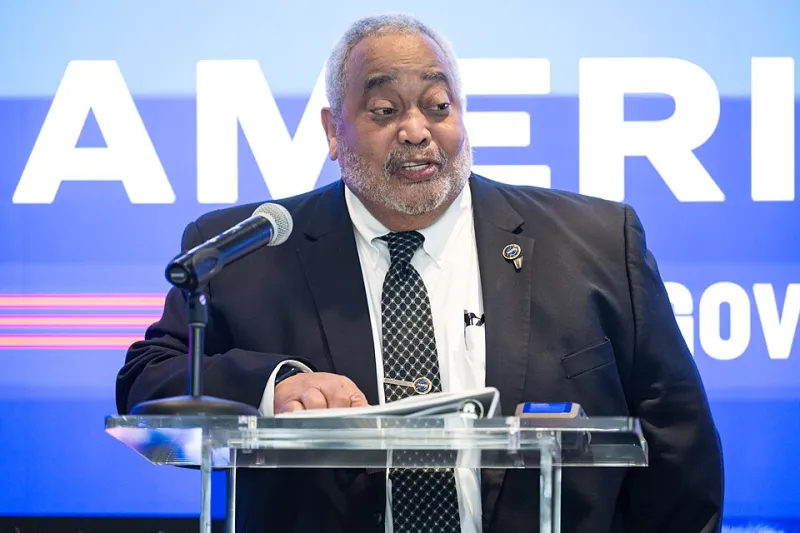
Photo: NASA Headquarters / NASA/Aubrey Gemignani, Public domain, via Wikimedia Commons
There is a persistent assumption in the events industry that prestige scales with audience size. The larger the room, the more influential the speaker, the greater the impact — or so the logic goes. Yet professionals who track post-event outcomes with any rigor have begun to notice a pattern that challenges this assumption at nearly every turn. The deals that close, the partnerships that hold, and the referral chains that generate sustained revenue are disproportionately traced back not to the main stage, but to the smaller, quieter rooms tucked elsewhere in the venue.
This is the networking paradox: the sessions with the fewest seats often produce the most consequential results.
Why Keynotes Attract Attention but Not Action
Main stage presentations serve an undeniably important function. They establish thematic coherence for an event, lend credibility through high-profile speakers, and create shared reference points that attendees carry into subsequent conversations. These are not trivial contributions.
What keynotes are structurally ill-suited to do, however, is generate the conditions under which business decisions actually get made. A darkened auditorium filled with several hundred people listening to a single voice is a passive environment by design. Attendees are receivers, not participants. The social architecture of a large general session discourages lateral exchange, suppresses spontaneous dialogue, and places the entire burden of value creation on one individual at the front of the room.
Conversely, a breakout session capped at thirty or forty participants creates an entirely different social contract. Attendees are closer to one another — physically and psychologically. The room itself signals that contribution is expected, not optional. Questions feel less like interruptions and more like the point. And crucially, the people who self-select into a specific breakout topic have already demonstrated a shared professional interest, which removes one of the most friction-laden steps in any business relationship: establishing common ground.
The Conversion Data Worth Examining
Several post-event surveys conducted across trade shows and professional conferences in recent years have pointed to a consistent finding: attendees who participate in at least two breakout sessions report follow-up meeting rates approximately two to three times higher than those who attend only general sessions. Among respondents who identified a breakout session as the primary location of a new contact, a meaningful percentage described that contact as having progressed to a formal business discussion within sixty days.
These figures vary by industry and event type, but the directional finding holds with enough regularity to warrant serious attention from event planners. Breakout sessions are not secondary programming. For many attendees, they are the primary mechanism through which a conference delivers tangible professional value.
Venue Design as a Catalyst for Breakout Engagement
Recognizing the strategic importance of smaller sessions is one thing. Designing a venue layout that reflects that recognition is another — and this is where many event planners leave significant value on the table.
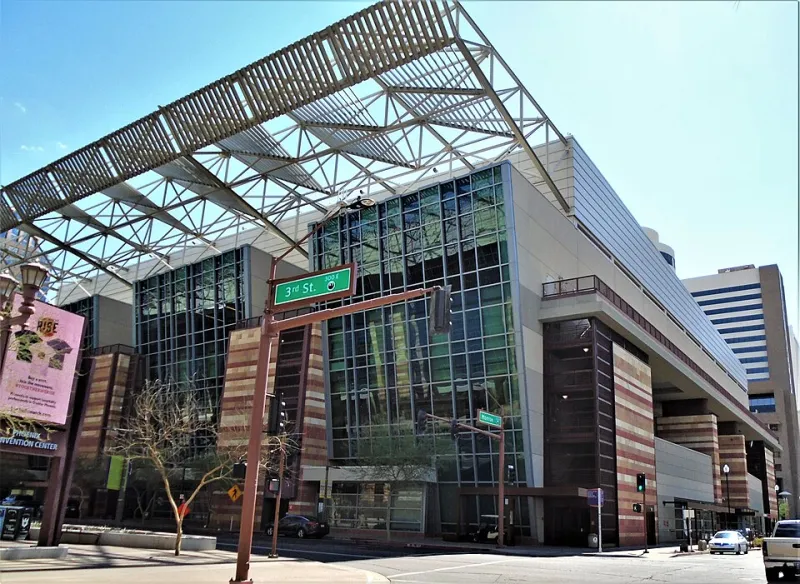
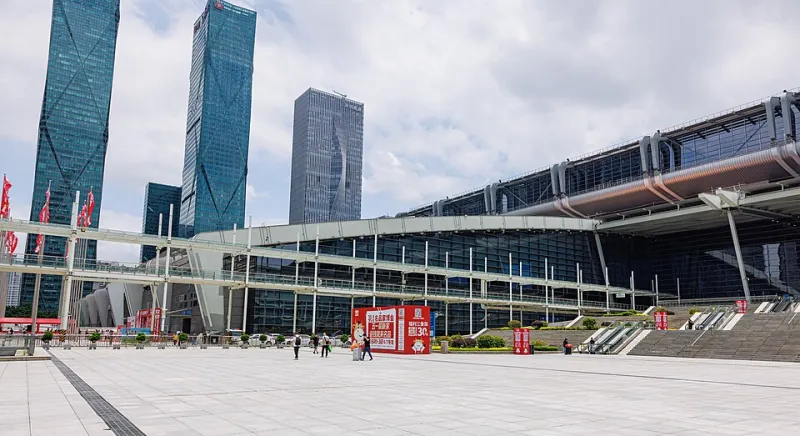
The most common mistake is treating breakout rooms as overflow infrastructure rather than prime real estate. When breakout spaces are located far from main thoroughfares, inadequately signposted, or scheduled in ways that force attendees to choose between them and higher-profile programming, attendance suffers predictably. The sessions that should be generating deal flow end up half-empty, not because the content is weak, but because the venue logic worked against them.
Effective breakout design begins with traffic flow analysis. Rooms positioned along natural movement corridors — between the main hall and dining areas, adjacent to registration, or near the primary exhibitor floor — benefit from incidental visibility. Attendees encounter them in passing, review the posted agenda, and make spontaneous decisions to step in. That kind of unplanned participation is consistently undervalued, yet it accounts for a meaningful share of breakout attendance at well-run events.
Furniture configuration matters as well. Circular or horseshoe seating arrangements signal peer-level dialogue rather than hierarchical instruction. Round tables with no obvious "front" to the room encourage eye contact among participants and reduce the tendency toward passive listening that characterizes larger formats. These are not cosmetic choices — they are functional ones that shape how people behave once they sit down.
Scheduling Strategy and the Problem of Competing Priorities
Breakout sessions also benefit from deliberate placement within the event schedule. Programming intimate sessions immediately before or after lunch, during mid-afternoon energy dips, or in the final hour of a conference day — when general session attendance tends to drop — capitalizes on periods when attendees are already inclined toward smaller, more informal interactions.
There is also a case to be made for running breakout tracks in parallel with, rather than in sequence after, main stage content. This approach acknowledges that not every attendee prioritizes the keynote, and it respects the diversity of professional interests present at any given event. Planners who resist this model often cite concerns about fragmenting attention away from marquee speakers. In practice, attendees who would derive limited value from a keynote will find ways to disengage regardless — and providing a productive alternative keeps them within the event ecosystem rather than outside it.
Structuring Breakouts for Maximum Business Impact
Content design within the session itself is the final lever. The most productive breakout formats combine a brief, focused presentation — no longer than fifteen to twenty minutes — with structured discussion time that gives participants explicit permission to exchange contact information, describe current challenges, or identify potential collaborations. Facilitators who understand this goal can guide conversations toward professional relevance without making the exchange feel transactional.
Some of the most effective breakout sessions at industry events incorporate what might be called a "warm introduction" segment: a few minutes near the close of the session during which participants briefly state who they are, what they are currently working on, and what kind of connection would be most useful to them. This simple structure converts a room of strangers into a room of people with identified mutual interests — which is, functionally, the precondition for every deal that follows.
Rethinking Where the Value Lives
At Angelina Expo Center, the design philosophy behind our event spaces reflects a conviction that connection happens at human scale. Large formats have their place, and the main stage will always carry symbolic weight. But the conversations that move industries forward, that introduce a supplier to a buyer or a founder to a future partner, tend to happen in rooms where everyone can see each other's faces.
Event planners who internalize this reality and build their floor layouts accordingly are not diminishing the importance of their keynote programming. They are completing it — ensuring that the ideas introduced on the main stage have somewhere meaningful to land.