The Middle of the Map Wins: How Regional Convention Centers Are Quietly Taking National Events
For most of the modern trade show era, the pecking order was settled: national events went to Las Vegas, Orlando, Chicago, and the coastal capitals, and everyone else competed for the remainder. That hierarchy made sense when travel was cheap, hotel blocks were negotiable, and attendees treated a flight as a reasonable price of admission.
It makes far less sense now. And the organizers paying attention are moving their events to the middle of the map.
The Hotel Rate Problem Won't Reverse
The economics are stark. Average daily hotel rates in major convention markets have climbed well past the point where a four-night stay for a mid-level attendee is an easy expense report to approve. In several gateway cities, rates during peak convention season routinely exceed $300 per night before taxes and resort fees — fees that have become a genuine source of attendee resentment.
A regional convention center in a mid-sized market routinely offers hotel inventory at half that rate, often within a ten-minute walk of the venue. For an exhibitor sending six people, that difference alone can fund a larger booth. For an attendee paying their own way — as more independent professionals and small-business buyers do — it is the difference between attending and skipping.
The Drive-Time Catchment Is Underrated
Major coastal hubs draw from a national air network. Mid-sized markets draw from something arguably more valuable: a dense regional drive-time catchment.
A venue positioned within a four-hour drive of multiple metros can pull attendees who would never book a flight but will absolutely make a road trip. These drive-in attendees stay longer, spend more freely on local dining, and report lower travel fatigue — which translates directly into more time on the show floor and better conversations in the aisles.
The math compounds for organizers: lower airfare dependence means less exposure to airline disruption, and a higher share of the attendee budget flows into the event itself rather than the journey to it.
Prestige Is Losing to Practicality
The strongest argument for legacy venues was always prestige — the sense that an event held in a marquee market carried credibility by association. That logic has weakened. Attendees now judge an event by the experience it delivers, not the skyline outside the ballroom, and post-pandemic professional norms have made the destination less of a draw than the content.
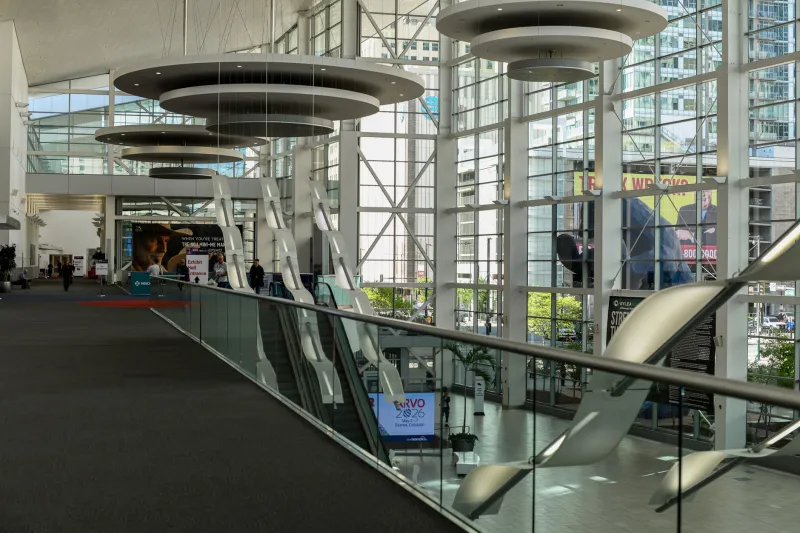
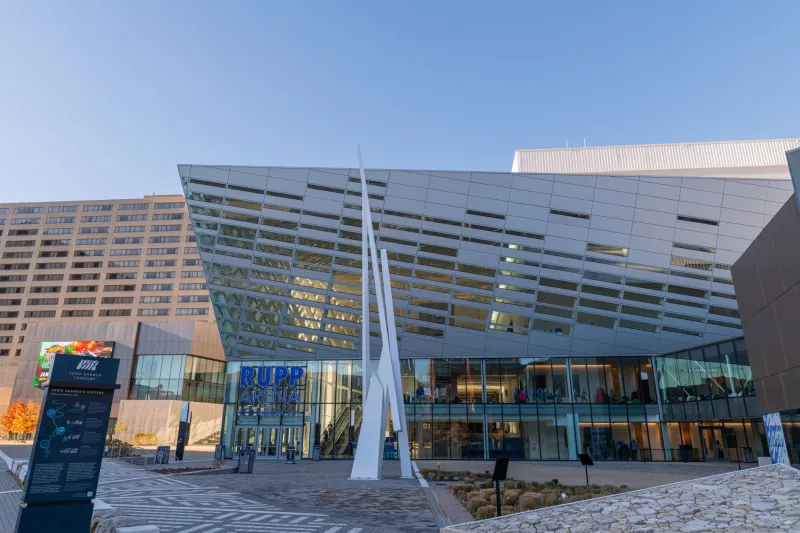
Meanwhile, mid-sized convention centers have invested seriously: expanded exhibit halls, modernized audiovisual infrastructure, renovated hotels, and downtown districts rebuilt around the visitor economy. The capability gap that once justified the coastal premium has narrowed to the point of vanishing for most mid-scale events.
Who Is Winning, Concretely
The pattern shows up across sectors. Manufacturing and industrial trade shows have migrated toward the interior for years, following their buyer base. Association meetings increasingly choose second-tier cities to keep registration affordable for members. Even consumer-facing expos — home shows, health and wellness fairs, regional franchise gatherings — find that mid-market audiences turn out in force when the event comes to them rather than requiring a flight.
Organizers who have made the switch report a consistent result: flat or improved attendance at a materially lower cost structure, which flows directly into margin or into reinvestment in programming. Several have found their exhibitor renewal rates climb simply because the total cost of participation dropped.
The Honest Trade-Offs
A fair argument acknowledges the limits. Very large international shows still need the flight capacity and metro scale of gateway cities. Some industries draw a global audience that requires a global hub. Entertainment value and nightlife matter for certain attendee demographics.
But those constraints apply to a shrinking slice of the national events market. For the broad middle — shows of 500 to 10,000 attendees, regional buyer bases, cost-sensitive exhibitors — the second-city advantage is no longer a compromise. It is the strategy.
The next decade of American trade shows will not be won by the biggest markets. It will be won by organizers who do the math honestly and put their events where their attendees actually are.