Forty-Eight Hours of Controlled Chaos: The Real Countdown to Show Opening
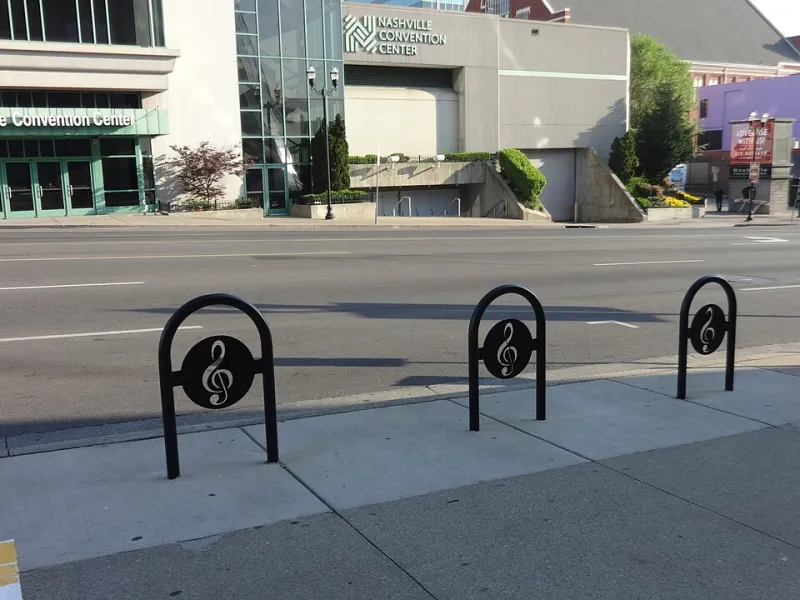
Photo: Michael Rivera, CC BY-SA 4.0, via Wikimedia Commons
At 6:00 a.m. on a Tuesday, the exhibit hall at Angelina Expo Center is a cavern of polished concrete and steel trusses overhead. By Thursday morning, it will hold three hundred booths, two keynote stages, a registration pavilion, and enough electrical capacity to power a small town.
The transformation takes roughly forty-eight hours. Most attendees will never see a minute of it. Planners, however, ignore this window at their peril — because the quality of the show floor is decided here, in the choreography of freight doors, forklifts, and rigging points.
Hour Zero: The Rigging Comes First
Nothing on the show floor can hang from the ceiling until the rigging crew says so. That crew arrives before the freight does, walking the hall with the general contractor to confirm every truss point against the engineered drawings.
Signage, lighting rigs, banner trusses, and speaker arrays all get plotted in a sequence that might seem backward: the heaviest elements nearest the center go up first, because a scissor lift parked in the middle of the floor on hour ten blocks everything behind it. Veteran operations managers describe rigging day as a chess game played with two tons of aluminum.
Planners should know one thing about this phase: late drawing changes are the enemy. A banner resized after the rigging plot is finalized doesn't just cost a reprint — it can cost a crane call.
The Freight Ballet: Dock Scheduling Is Everything
By early afternoon, the loading docks become the most valuable real estate in the building. Carriers are assigned windows — typically thirty to forty-five minutes each — and a single delayed truck can cascade through the entire schedule.
The best shows treat freight like air traffic control:
- Pre-registered shipments arrive with labels, weights, and target booths already logged
- Oversized crates are sequenced first so they don't compete with hand-carried materials
- Direct-to-booth deliveries are separated from advance warehouse freight to avoid double handling
When the system works, an exhibitor arriving at hour twenty finds their crates staged neatly beside a taped booth footprint. When it doesn't, the aisle becomes a warehouse and every hour of setup compresses.
Utilities: The Invisible Infrastructure
While forklifts move freight, electricians are pulling drops from the floor boxes — 20-amp service for a pop-up display is a different animal than the 400-amp three-phase feed a food demonstrator or a robotics exhibitor requires.
Plumbing, compressed air, and internet backbones follow similar logic. The operations team is essentially building a temporary city, complete with zoning: food service near wash stations, high-draw exhibits on dedicated circuits, demo theaters positioned where noise won't bleed into neighboring booths.
The lesson for planners is simple but frequently missed. Utility orders submitted after the deadline force crews to improvise, and improvisation on the show floor is always more expensive than planning on paper.
Hours Thirty Through Forty-Five: The Human Wave
Once the infrastructure is live, exhibitors flood in. This is when the hall gets loud — literally and figuratively. Aisles fill with dollies, ladders, and cardboard. Fire marshals walk the floor checking egress paths. The operations team shifts from construction to crowd management, keeping setup traffic moving while protecting finished booths from the chaos around them.
Experienced general contractors stagger exhibitor move-in by booth size and hall section, exactly like an airline staggers boarding groups. If your show's move-in feels like a riot, that's a scheduling failure, not an inevitability.
The Final Walkthrough
Around hour forty-six, the mood changes. Aisles get swept and swept again. Fire lanes are taped. Every booth is checked against the floor plan. The show manager, the general contractor, and the venue's operations director walk the hall together with a shared checklist — and anything that fails gets fixed overnight, because in six hours the doors open whether the floor is ready or not.
Why Planners Should Care
Understanding load-in isn't about romanticizing the work. It's about leverage. Planners who respect the timeline get their rigging plotted early, their freight staged cleanly, and their exhibitors set up without blood pressure spikes. Planners who treat the forty-eight hours as someone else's problem discover — usually around hour thirty — that the show floor they imagined was never going to build itself.
The empty hall doesn't become a trade show by magic. It becomes one because a hundred people executed a plan most attendees will never know existed.