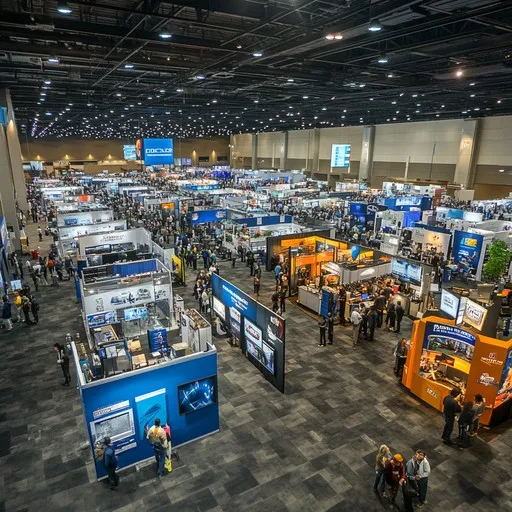
One Show, Twelve Months of Impact: How to Build Year-Round Authority from a Single Trade Show Appearance
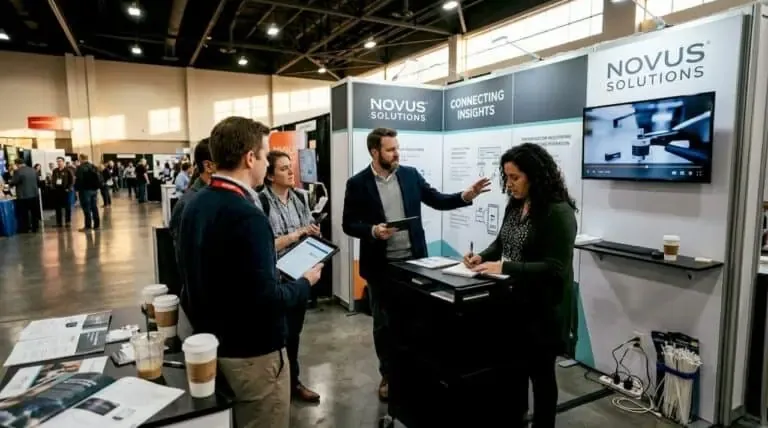
Photo: professional presenting at trade show booth with business team discussing strategy, via adamexpostand.com
The most common mistake companies make at trade shows is not tactical — it is temporal. They invest in a booth, design their materials, train their team, and execute a creditable appearance on the exhibition floor. Then they return home, process their leads, and wait for the next event. The trade show is treated as a discrete episode rather than as the centerpiece of a year-long strategy.
This approach leaves considerable value unrealized. A well-planned trade show appearance generates assets, relationships, and content that can sustain a company's professional visibility for twelve months or more — if those resources are deliberately managed. What follows is a framework for doing exactly that.
Phase One: Pre-Event Positioning (Eight to Twelve Weeks Out)
The work that determines the quality of your trade show experience begins long before you arrive on the exhibition floor. Companies that generate the most value from their appearances treat the weeks preceding the event as a strategic campaign in their own right.
Announce your presence early and specifically. Rather than a generic notification that your company will be exhibiting, communicate something of substance. What will you be demonstrating? What problem will you be addressing? What should attendees look for when they visit your booth? This specificity accomplishes two things: it attracts the right visitors, and it positions your team as purposeful participants rather than passive exhibitors.
Identify and pursue key attendees in advance. Most trade shows publish attendee lists or provide networking tools that allow exhibitors to connect with registered participants before the event. Use these resources. A meeting requested six weeks before the show opens is far easier to secure than one requested on the exhibition floor. Building a pre-committed meeting schedule transforms the trade show from a passive opportunity into a structured series of high-value conversations.
Prepare content that extends beyond the booth. Before the event, brief your team on the key themes, questions, and industry topics that are likely to dominate conversation. Assign someone to document insights, collect photographs, and note observations throughout the event. This material will become the foundation of your post-event content strategy.
Phase Two: Maximizing the Exhibition Floor
The days you spend at a trade show are intensive, and the margin between a productive appearance and a merely adequate one often comes down to discipline and intentionality.
Design your booth for conversation, not decoration. The most effective exhibition spaces prioritize interaction over visual spectacle. Comfortable seating, clear sight lines, and a layout that invites attendees to pause and engage will generate more substantive conversations than an elaborate display that people admire from a distance. Every design decision should serve the goal of facilitating dialogue.
Qualify with precision. Not every visitor to your booth represents a productive use of your team's time. Develop a brief, natural set of questions that quickly establishes whether a visitor is a genuine prospect, a potential partner, a competitor, or someone passing through. This is not a matter of discourtesy — it is a matter of respecting both your time and theirs. Focused conversations with the right people are worth far more than extended engagements with the wrong ones.
Capture content continuously. Assign a dedicated team member — or engage a professional photographer or videographer — to document your presence throughout the event. Candid images of your team in conversation, footage of product demonstrations, and brief on-camera observations from your subject-matter experts are assets that will serve your content strategy for months. Capture them while the opportunity exists.
Phase Three: The Critical Follow-Up Window (Days One Through Fourteen)
The two weeks following a trade show represent the highest-leverage period in the entire cycle. Relationships formed on the exhibition floor are still fresh. Your company remains visible in the minds of the people you met. The window for productive follow-up is open — but it closes quickly.
Segment your contacts with care. Not all leads warrant the same follow-up approach. Divide your contacts into categories — immediate opportunities, longer-horizon prospects, potential partners, and general contacts — and tailor your outreach accordingly. A prospect who requested a proposal on the exhibition floor requires a different response than someone who dropped a business card in a bowl.
Make your first follow-up personal and specific. Generic follow-up messages are easily ignored. Reference a specific detail from your conversation. Acknowledge the problem they described or the question they asked. This specificity demonstrates that you were genuinely attentive during the interaction and that your follow-up represents continued engagement rather than automated outreach.
Deliver on any commitments made at the event. If you promised to send a case study, a pricing document, or an introduction to a colleague, do so within forty-eight hours. Reliability at this stage is a direct signal of how your company operates as a partner or vendor.
Phase Four: Content Repurposing and Year-Round Visibility
This is the phase most companies omit entirely — and it is where the greatest untapped value resides.
The observations, conversations, photographs, and insights gathered during your trade show appearance constitute a substantial content library. Deploy it deliberately over the months that follow.
Publish a post-event perspective piece. An article that reflects on the dominant themes, emerging trends, or notable conversations from the trade show positions your company as a thoughtful industry participant. This content is valuable to the professionals who attended the event and equally valuable to those who did not. It demonstrates engagement with the industry and generates organic visibility over time.
Develop case studies from post-event outcomes. As the leads and partnerships generated at the trade show progress, document the results. A case study that begins with a conversation at an exhibition booth and concludes with a measurable business outcome is a powerful piece of evidence for future event budget discussions.
Use the event as an anchor for ongoing content. Throughout the year, reference insights and relationships that originated at the trade show. This continuity reinforces your company's active engagement with its industry and sustains the visibility generated by your original appearance.
The Strategic Justification
For marketing directors and business owners navigating budget conversations, the argument for a larger trade show investment becomes significantly stronger when the event is positioned as the catalyst for a year-round strategy rather than a single-line expense. The booth fee, travel costs, and staff time represent the initial investment. The leads, content, relationships, and authority generated in the months that follow represent the return — and that return compounds with each successive appearance.
At Angelina Expo Center, we work with exhibitors who understand this principle and those who are discovering it for the first time. The exhibitions and conferences we host are not endpoints. They are starting points — for conversations that become contracts, for connections that become collaborations, and for companies that are building something that lasts well beyond the closing of the exhibition floor.