What Your Venue Is Really Telling Your Attendees: The Strategic Value of Space in Conference Planning
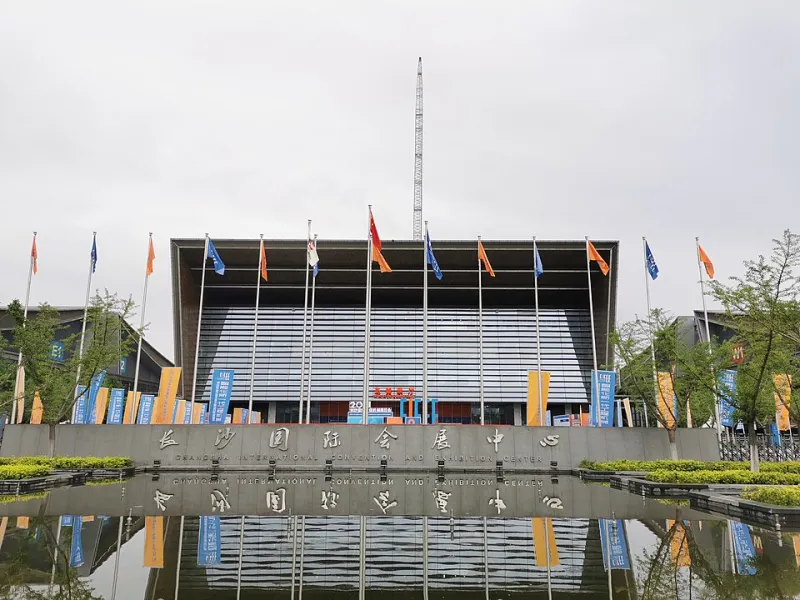
Photo: Huangdan2060, CC BY 3.0, via Wikimedia Commons
When event organizers begin planning a conference, the venue conversation often starts and ends with two numbers: capacity and cost. How many people can it hold? What will it cost to rent? These are reasonable questions, but they represent only the surface of a much deeper strategic calculation. The choice of venue communicates something to every stakeholder involved — sponsors, speakers, exhibitors, and attendees alike. It signals ambition, professionalism, and organizational competence before a single session has been scheduled.
At Angelina Expo Center, we have observed firsthand how venue decisions ripple outward in ways that are rarely anticipated during the planning phase. The physical environment of an event does not merely house the content — it shapes how that content is received.
The Invisible Economics of First Impressions
Consider the attendee who drives two hours to reach a conference. The moment they pull into a parking facility, navigate to registration, and step into the main hall, they are forming judgments that will influence how they engage with everything that follows. A venue that is difficult to navigate, poorly lit, or acoustically challenging does not just create inconvenience — it erodes the perceived value of the event itself.
Research from the events industry consistently shows that attendee satisfaction scores are disproportionately influenced by environmental factors: ease of movement between sessions, quality of Wi-Fi connectivity, availability of informal meeting spaces, and the proximity of food and beverage options. These are amenity-level decisions made months in advance, yet they produce outcomes that show up in post-event surveys, renewal rates, and word-of-mouth referrals.
The downstream revenue implications are significant. An event with a 70 percent attendee renewal rate generates compounding value over multiple years. A poorly received venue experience — even when the programming is excellent — can suppress that renewal rate by ten to fifteen percentage points, representing thousands of dollars in lost registration revenue per cycle.
Layout Flexibility and the Monetization of Space
One of the most underappreciated features of a high-performing event venue is configurability. A space that can transition from a general session format to a breakout workshop environment to an exhibition floor within the same footprint gives organizers the ability to serve multiple audience segments without relocating attendees.
This flexibility has direct revenue implications. Sponsors and exhibitors pay premium rates for visibility and traffic. A venue that naturally funnels foot traffic past sponsor installations, demo areas, and exhibit booths — rather than segregating them into a separate hall that attendees may or may not visit — produces measurably better sponsor ROI. When sponsors see strong performance metrics, they return the following year with larger commitments.
Organizers planning multi-day events should also evaluate how a venue supports informal networking. Structured programming accounts for perhaps sixty percent of the value attendees derive from a conference. The remaining forty percent comes from hallway conversations, impromptu meetings over coffee, and the serendipitous introductions that happen when people share physical space. Venues with thoughtfully designed common areas, pre-function spaces, and lounge zones actively facilitate this kind of organic connection.
Geographic Accessibility and Its Effect on Attendance Ceilings
Location is not simply about prestige. It is about the practical calculus that prospective attendees perform when deciding whether to register. A venue situated within reasonable driving distance of a major metropolitan area, accessible via multiple interstate routes, and positioned near adequate hotel inventory removes friction from the attendance decision.
For conferences targeting regional industries — manufacturing, agriculture, healthcare, energy, or logistics, among others — geographic centrality within a multi-state catchment area can meaningfully expand the potential audience. An event held at a well-positioned venue in East Texas, for example, draws from Houston, Dallas, Shreveport, and beyond without requiring attendees to navigate major airport congestion or book expensive urban hotel rooms.
This accessibility factor is one that sponsors and exhibitors evaluate carefully. A trade show with a broad geographic draw represents a more efficient use of exhibit budget than one that attracts a narrowly local audience, regardless of how impressive the venue photographs may appear.
A Practical Framework for Venue Evaluation
For event organizers seeking a more rigorous approach to venue selection, the following framework offers a structured starting point.
Traffic and Flow Analysis: Walk the venue as an attendee would, from arrival through departure. Identify bottlenecks, dead zones, and areas where natural traffic flow could be redirected toward sponsor or exhibitor spaces.
Technology Infrastructure Assessment: Confirm available bandwidth, power distribution, and audiovisual capabilities before committing. Technology failures during live events are among the most damaging factors in attendee satisfaction scores.
Ancillary Revenue Potential: Evaluate whether the venue supports revenue-generating add-ons such as VIP lounges, premium networking receptions, and branded sponsor zones. These features expand the event's monetization surface beyond registration fees alone.
Accommodation Proximity: Map the distance and cost of nearby hotels. Events that require attendees to travel more than fifteen minutes from their accommodations to the venue see measurably lower participation in early-morning and evening programming.
Staff and Service Capacity: A venue's in-house support team is as important as its physical infrastructure. Experienced event staff who understand the rhythm of conference operations reduce the burden on organizers and prevent small logistical issues from escalating.
The Long View on Venue Investment
The most successful conferences in any industry are those that attendees return to year after year — not solely because of the speakers or the content, but because the overall experience justifies the investment of time and money. Venue selection is one of the most powerful levers an organizer has in shaping that experience.
Choosing a venue that merely meets minimum requirements is a short-term cost-saving measure that frequently generates long-term revenue losses. Choosing a venue that actively supports engagement, facilitates connection, and reflects the professional standards of the event positions the conference for sustained growth.
The bottom line is not just about what a venue costs to rent. It is about what the right venue makes possible.